
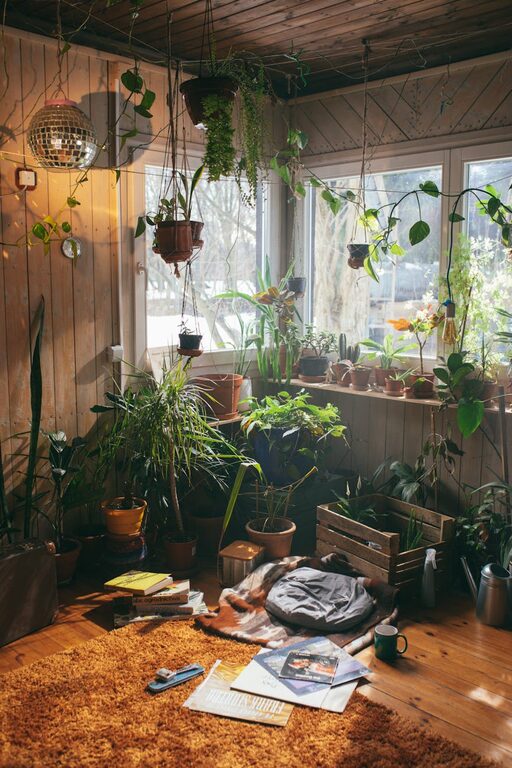
Adopting a sustainable lifestyle can feel overwhelming, but making small changes at home is a great way to get started. Living sustainably not only benefits the environment but can also improve your health and save money. Here are easy yet effective ways to build a more eco-friendly home routine that anyone can follow.
Why Choose a Sustainable Lifestyle?
Living sustainably means using resources wisely, reducing waste, and minimizing harm to the environment. Our daily habits, especially at home, contribute significantly to energy consumption, waste generation, and pollution. By making mindful choices, you can help protect the planet and inspire others to do the same.
Simple Steps to Begin at Home
1. Reduce Energy Use
Energy conservation is one of the most impactful changes you can make.
– Switch to LED bulbs: They use up to 75% less energy and last longer than traditional bulbs.
– Unplug devices: Electronics consume power even when turned off if plugged in. Use power strips to switch off multiple devices at once.
– Adjust thermostat wisely: Set your heating and cooling to efficient temperatures. In winter, keep it around 68°F (20°C) when you’re home and lower when absent.
2. Cut Back on Water Waste
Water is a precious resource and reducing waste helps conserve it.
– Fix leaks promptly: A leaking tap wastes gallons of water daily.
– Install low-flow fixtures: Faucets and showerheads designed to use less water reduce consumption without sacrificing comfort.
– Be mindful when washing: Turn off the tap while brushing teeth or washing dishes.
3. Choose Sustainable Products
The products you buy can support sustainable manufacturing and reduce chemical use.
– Opt for natural cleaning supplies: Vinegar, baking soda, and lemon juice are effective and eco-friendly alternatives to many commercial cleaners.
– Buy reusable over disposable: Use cloth towels, washable food wraps, and reusable shopping bags to minimize single-use waste.
– Support eco-conscious brands: Look for items made with recycled materials or that come with minimal packaging.
4. Manage Waste Responsibly
Proper waste management helps reduce landfill overflow and pollution.
– Recycle correctly: Check your local guidelines for which materials can be recycled.
– Compost organic waste: Fruit and vegetable scraps, egg shells, and coffee grounds make excellent compost, reducing landfill contributions and enriching garden soil.
– Avoid plastic where possible: Choose glass, metal, or paper options to decrease plastic pollution.
5. Embrace Minimalism
Less consumption means less waste and less environmental strain.
– Declutter responsibly: Donate or recycle unused items instead of throwing them away.
– Focus on quality: Invest in durable products that last longer rather than cheap, disposable items.
– Limit impulse buying: Plan your purchases to avoid unnecessary items.
6. Grow Your Own Food
Even a small herb garden can contribute to a sustainable lifestyle.
– Start with herbs or small veggies: Easy to grow on windowsills or balconies.
– Use organic soil and natural pest controls: Avoid chemicals in your garden.
– Compost to enrich soil: Use kitchen scraps to nourish your plants.
7. Conserve Paper and Digital Resources
Reducing paper use helps protect forests and natural habitats.
– Go paperless when possible: Opt for digital bills, statements, and documents.
– Print only when necessary: Double-sided printing and using scrap paper can lower paper consumption.
– Unsubscribe from junk mail: Reduce unsolicited paper mail by opting out through services or contacting senders.
Tips to Stay Motivated and Involve Your Family
Changing habits takes time, but it’s easier and more fun with support.
– Set small, achievable goals: Tackle one new habit at a time.
– Educate your household: Share the reasons behind your sustainable choices.
– Make it a family activity: Grow plants or create compost together.
– Celebrate progress: Recognize milestones and improvements, no matter how small.
Final Thoughts
Starting a sustainable lifestyle at home doesn’t require a complete overhaul overnight. By taking simple, consistent actions to reduce energy use, waste, and consumption, you contribute positively to the environment. Each small step adds up, making your home a healthier place for you and the planet. Remember, sustainability is a journey—progress is what counts.
Try some of these easy ideas and watch how they can transform your daily routine into a greener, more responsible way of living.