Working from home has become a common reality for many, bringing both opportunities and challenges. One of the most important factors in staying productive while working remotely is creating an effective home office environment. Whether you have a dedicated room or just a small corner, thoughtful planning and setup can make a significant difference in your workday. In this post, we’ll explore practical tips to help you build a home office space that supports focus, creativity, and well-being.
Choose the Right Location
The first step to a productive home office is selecting a suitable spot. Ideally, this area should be:
– Quiet and free from distractions, away from high-traffic or noisy parts of your home.
– Well-lit, preferably with access to natural light to support alertness and reduce eye strain.
– Separate from personal or leisure spaces, to help maintain boundaries between work and home life.
If space is limited, even a small nook or corner can work well with some creative organization.
Invest in Comfortable and Functional Furniture
Your furniture plays a key role in how you feel and perform throughout the day.
– Ergonomic chair: A supportive chair that encourages good posture can reduce back pain and fatigue.
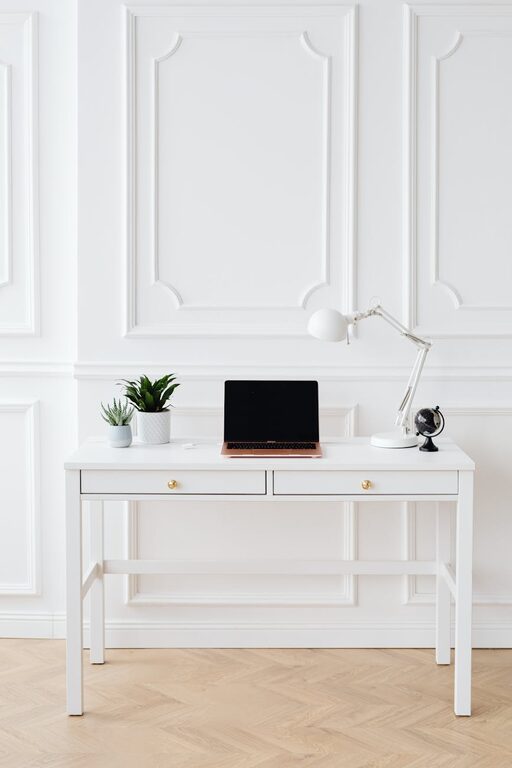
– Desk with ample space: Choose a desk surface large enough for your computer, paperwork, and essential accessories without feeling cluttered.
– Adjustable options: If possible, consider a sit-stand desk or adjustable chair to change positions during the day and promote movement.
Comfort directly influences productivity, so investing in the right furniture is worthwhile.
Optimize Lighting to Reduce Eye Strain
Lighting affects mood and focus. Here are ways to improve it in your home office:
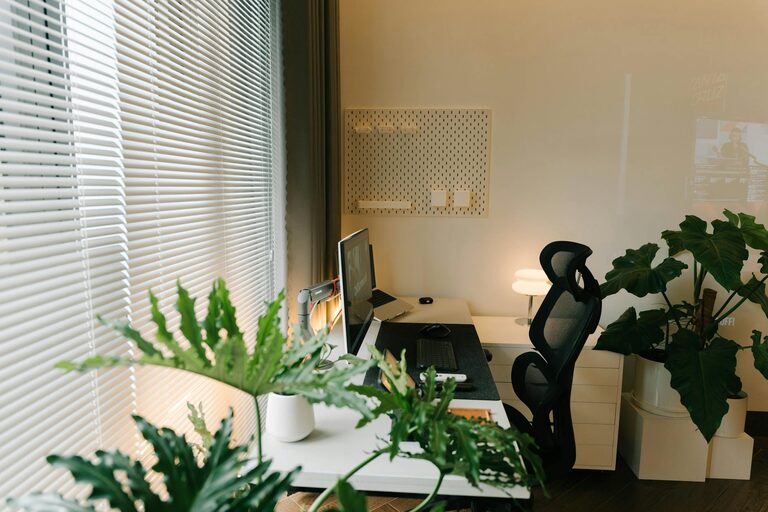
– Use natural light whenever possible. Position your desk near a window but avoid glare directly on your screen.
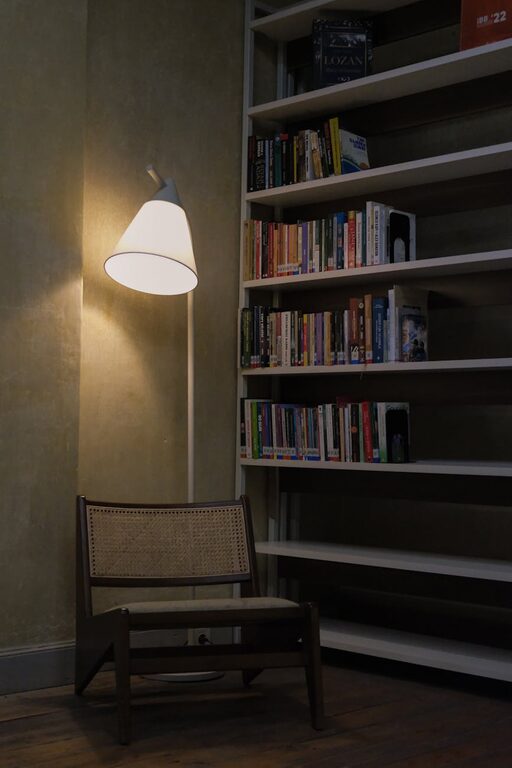
– Add layered lighting. Combine overhead light with task lighting such as a desk lamp to balance brightness.
– Choose bulbs with a neutral white color temperature to mimic daylight and reduce eye fatigue.
Good lighting can make your workspace feel inviting and energizing.
Declutter and Organize Your Space
A clean and organized workspace helps keep your mind clear and focused.
– Keep only essential items on your desk to minimize distractions.
– Utilize shelves, drawers, or organizers to store supplies neatly when not in use.
– Regularly tidy up at the end of each day so you start fresh the next morning.
Developing an organizational system tailored to your workflow saves time and reduces stress.
Manage Technology Efficiently
Technology is central to remote work, but it can also hinder productivity if not managed well.
– Use reliable, high-speed internet to avoid interruptions.
– Keep your computer and software updated to ensure smooth operation.
– Organize your digital files and bookmarks for easy access.
– Consider noise-canceling headphones if you deal with background noise or attend virtual meetings.
Having technology set up thoughtfully helps you work smoothly and stay connected.
Personalize Your Workspace Mindfully
Adding touches that make your workspace pleasant can boost motivation, but keep it balanced.
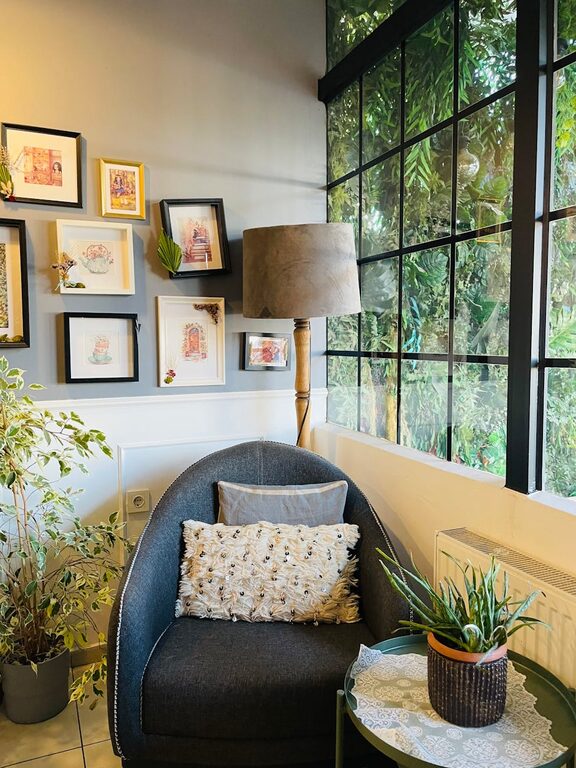
– Incorporate plants for a touch of nature and improved air quality.
– Display inspiring artwork or photos that make you feel positive and focused.
– Choose colors that energize or calm you, depending on your preferences.
Avoid excessive decorations that could distract you from tasks.
Set Boundaries to Support Work-Life Balance
Especially with home offices, clear boundaries between work and personal life matter.
– Establish consistent work hours and communicate them to family or housemates.
– Create rituals to start and end your workday, such as a morning routine or a walk after finishing.
– Keep work materials contained in your office space and avoid working from rest areas to signal when work time begins and ends.
Balancing work and life helps prevent burnout and maintain productivity over time.
Incorporate Healthy Habits Throughout Your Workday
Your physical and mental well-being influence how productive you are.
– Take regular breaks to stretch, move around, or rest your eyes.
– Stay hydrated and keep healthy snacks nearby.
– Practice simple exercises or breathing techniques during breaks to refresh your energy levels.
These habits can improve focus and reduce stress.
—
Building a productive home office is about creating a space that caters to your needs and encourages effective work. By choosing the right environment, investing in comfort, organizing thoughtfully, and maintaining balance, you can enjoy better focus, creativity, and satisfaction in your work-from-home routine. Try incorporating these tips gradually and adjust them to what feels best for you. A well-designed home office is a valuable foundation for your success.